As temperatures begin to rise and snow starts to melt, the Niagara Peninsula Conservation Authority (NPCA) is reminding residents that spring thaw can increase the risk of localized flooding—particularly in low-lying areas and along rivers, streams, and shorelines.
Following significant snowfall across the watershed, NPCA is taking proactive steps to monitor conditions and advise on flood risk as weather patterns fluctuate in the coming weeks. Rapid snowmelt, combined with rainfall and frozen ground, can increase runoff into waterways, pooling water, and the potential for ice jams.
“Our team is closely monitoring watershed conditions as temperatures change,” said Ryan Kitchen, Flood Risk Management Officer. “While widespread flooding is not currently occurring, early awareness and preparation play an important role in protecting homes, infrastructure, and public safety.”
How NPCA Is Monitoring Flood Risk
NPCA’s flood forecasting team regularly assesses flood potential using a combination of field work and real-time data, including:
- Snow surveys conducted twice monthly from November to May at seven sites across the watershed
- Measurements of snow depth and water content
- Continuous monitoring of stream flow, rainfall, and weather conditions
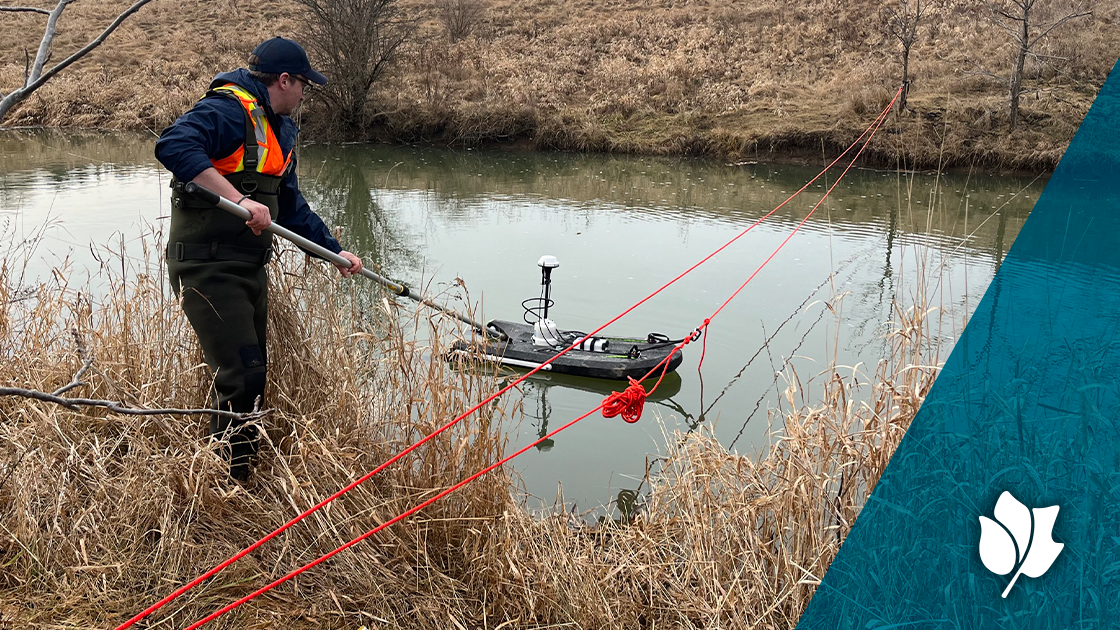
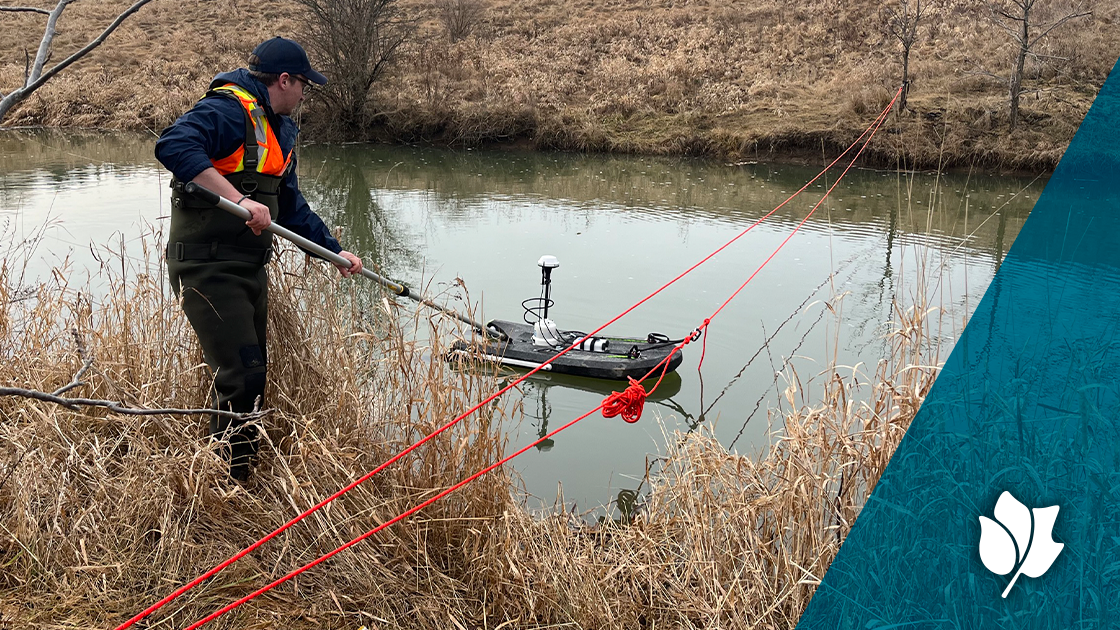
NPCA owns and operates the Hydrometric Network that uses monitoring stations to measure water levels and precipitation in real time, supporting timely flood advisories and public communication.
Flood Risk Is More Than Snowmelt
Flooding can result from both rapid snowmelt and heavy rainfall. The speed of temperature changes—from cold to warm—plays a key role in how much water enters rivers and creeks at once. Climate change continues to add uncertainty, making real-time monitoring and community preparedness more important than ever.
Steps Residents Can Take Now
While NPCA works diligently to monitor and assess flood risks, there are some simple, proactive actions that residents can take to reduce flood impacts:
- Clear snow and ice away from storm drains and catch basins near your property
- Keep eavestroughs and downspouts clear and directed away from foundations
- Shovel snow away from building foundations to reduce seepage during melt
- Ensure sump pumps and backwater valves are functioning properly
- Consider a backup sump pump and generator
- Move valuable items in basements off floors as a precaution
- Avoid walking, playing, or allowing pets near waterways, which may appear stable but can weaken quickly
Safety Reminders
- Never walk or drive through floodwater
- Keep children and pets away from fast-moving water or unstable ice
- Report blocked culverts or drainage issues to your local municipality
Stay Informed
Residents are encouraged to stay informed as conditions change:
- Check current flood conditions at npca.ca/flood-status
- Follow NPCA on Instagram, Facebook, Twitter and LinkedIn
- Download the Alertable App to receive NPCA flood advisories and emergency notifications in real time
NPCA will continue to monitor conditions and issue flood outlooks, advisories, or warnings if warranted.
About Niagara Peninsula Conservation Authority:
As a community-based natural resource management agency, the Niagara Peninsula Conservation Authority envisions a healthy and vibrant natural environment with shared greenspace and clean water for all. NPCA’s work supports the conservation, enhancement, and sustainability of healthy watersheds with programs and services that focus on drinking water source protection, flood and hazard management, ecosystem restoration, community stewardship, education, and land management.
NPCA is the caretaker of 43 conservation areas within the Niagara Peninsula watershed held in public trust for recreation, heritage preservation, conservation, and education. These natural and shared greenspaces marry nature, culture, and adventure to create limitless opportunities for discovery.
Media inquiries to be directed to:
Jennifer McQuillan
Communications & Marketing Specialist
Mobile: 905.933.0532
jmcquillan@npca.ca